
Miami's Community Newspapers White Logo
More
    Home Blog

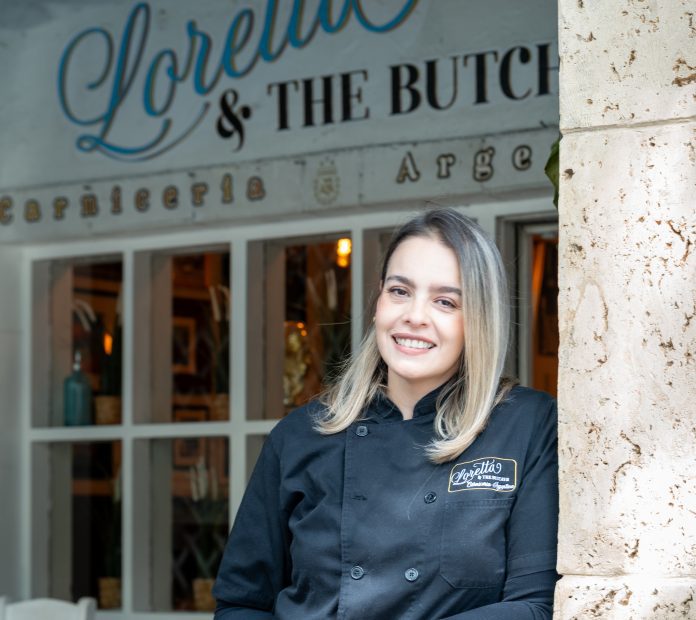
    Maria Alejandra Castaño: Passionate Leadership at Loretta & the Butcher

    Coconut Grove, Miami’s oldest neighborhood, has quietly evolved into one of South Florida’s most successful business communities – and it’s no accident. With its blend of charm, strategy, and community, the Grove offers a blueprint for how local economies can thrive.

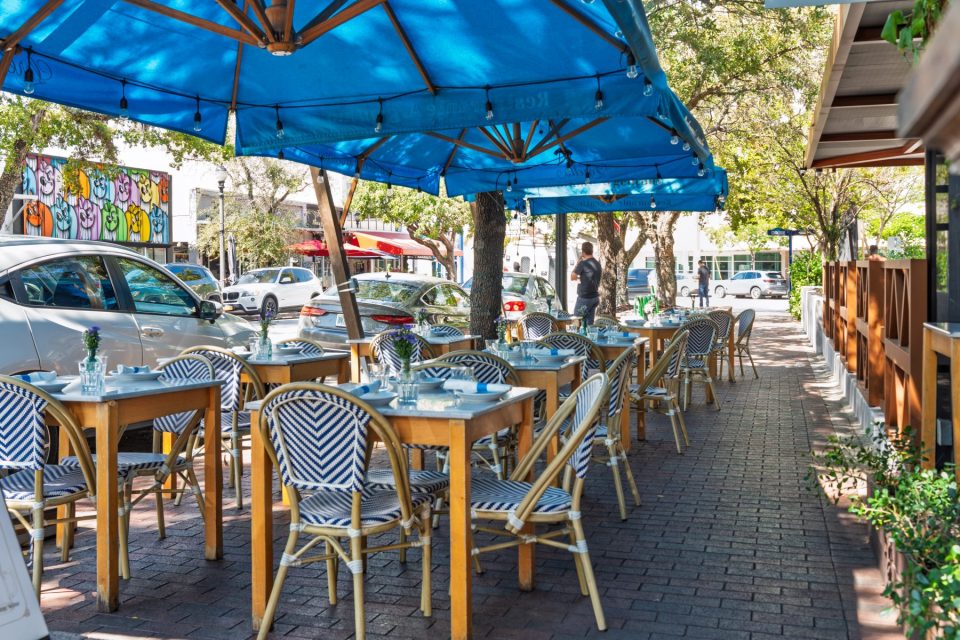
    At the heart of its success is a strong sense of community. And at the heart of the Grove’s bustling downtown district are independent businesses, like Loretta and the Butcher on Commodore Plaza, with Maria Alejandra Castaño at the helm.

    By cultivating a loyal customer base that values authenticity and true connection, Castaño’s quaint bistro tucked between the busy shops and other businesses on Commodore Plaza has fast become a beloved neighborhood staple.

    “Since the very beginning, we wanted to be more than just a restaurant. We’ve built real relationships with our guests and with other businesses in the Grove. We know their names, their favorite dishes, and make each visit one that feels like they’re home.” The loyalty and warmth of their customers continue to fuel the restaurant’s growth.

    Culinary Passion

    With a passion for Argentine cuisine and making guests feel at home, she’s created a fine restaurant that’s a one way ticket to Buenos Aires. Her journey proves that with the right ingredients, vision, and boldness, anything is possible.

    Beyond perfecting beef, Loretta & the Butcher honors an iconic Argentine culinary tradition, led by the passionate and determined Castaño. As a powerful woman in a male-dominated industry, she runs a restaurant that embodies authenticity, quality, and community in the deepest sense.

    Castaño’s love for food began in her childhood, growing up in Colombia where meals are a symbol of unity and tradition. “Since I was a little girl, cooking has been my passion and my way of expression. And I’ve always been fascinated by how the right dish can tell a story, awaken emotions, and bring people together.”

    Her admiration for Argentina’s beloved cuisine eventually led her to acquire Loretta & the Butcher, where she brings the essence of la parrilla (Argentine grill) to the Grove. With respect for each cut of meat and a dedication to using the highest quality ingredients, she ensures each dish represents the true flavors of Argentina.

    “Loretta & the Butcher is more than a restaurant; it’s a total experience. We want patrons to feel transported to Argentina through flavors, aromas, and the welcoming warmth of the atmosphere.”

    What Makes an Argentine Grill Great?

    A true Argentine “parrilla” is more than just grilled meats, it’s a whole ritual. “Everything starts with the highest quality cuts, cooked over fire with patience. Coarse salt is all the seasoning that’s needed to highlight the succulent meat’s true flavor.”

    But beyond the food, it’s about connection. “A true parrilla is meant to be shared with friends and family, with melted provoleta, a glass of wine, and, of course, chimichurri to add the final touch. It’s about friends and family gathering around the grill, living in the moment filled with passion.” At Loretta & the Butcher, every meal is designed to capture that spirit.

    Breaking Restaurant Industry Barriers

    Running a restaurant as a woman comes with some challenges, but Castaño has always met them head-on with the utmost confidence and perseverance. “The biggest challenge has been breaking biases and stereotypes in a typically male-dominated industry, and proving that female leadership is equally strong and strategic.”

    Balancing her roles as a businesswoman, mother, and wife is no easy feat, but Castaño has cultivated a restaurant known for both excellence and inclusivity. “Seeing Loretta and the Butcher grow, curating a unique experience, and being passionate about leadership shows that you can balance those three crucial roles without giving up your dreams.”

    The True Taste of Argentina

    Loretta & the Butcher’s menu is specifically curated to immerse their guests in the authentic Argentine flavor. Signature dishes include bife de chorizo, ojo de bife, and entraña, all grilled to perfection.

    Another standout is Arroz del Gaucho, a bold, comforting dish that echoes Argentina’s rich culinary traditions, alongside their world-famous empanadas, crispy on the outside, boasting a variety of fillings, and bursting with flavor inside. Each dish transports guests straight to Buenos Aires, one bite at a time.

    What’s Next for Loretta & the Butcher?

    Looking ahead, Maria Alejandra envisions expanding Loretta & the Butcher while maintaining its warm and welcoming atmosphere. “We’re exploring new opportunities to bring our delicious dishes to even more people, all without losing the signature warmth that defines us.”

    Her journey is far from over, and that passion burns bright, strong as ever. “Oh, I believe the best is yet to come,” she says.

    ABOUT LORETTA AND THE BUTCHER
    Loretta And The Butcher is located 3195 Commodore Plaza, Coconut Grove, FL 33133. Visit www.lorettaandthebutcher.como to learn more or call 786-618-9982.
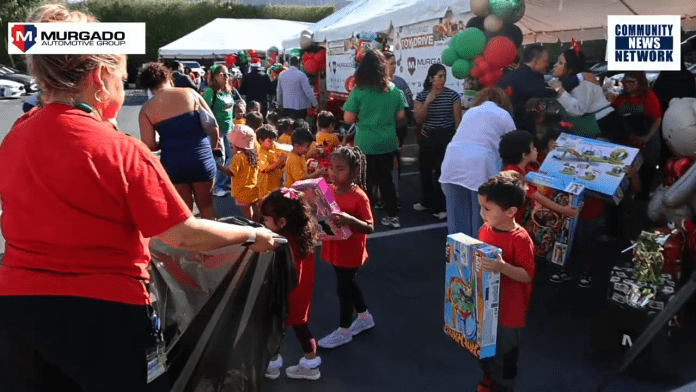

    Grant “Santa” Miller at Murgado Automotive Group Celebrates 25 Years Biggest Toy Drive Yet!


    Grant “Santa” Miller at Murgado Automotive Group Celebrates 25 Years Biggest Toy Drive Yet!

    ABOUT US:

    Miami Community Newspapers is your go-to source for Miami community news, offering daily updates, podcasts, and multimedia content. Covering local events, business updates, and lifestyle features across Miami-Dade County, our family-owned media company publishes a variety of neighborhood publications both online and in print. Explore Miami’s culture through our exclusive community podcasts, magazines, and newsletters.

    #Murgado25 #MurgadoToyDrive #MurgadoAutomotive #DrivingJoy #HolidayGiving #CommunityStrong #GiveBack2025 #SpreadJoy #ToyDrive #25YearsStrong #MiamiCares #MurgadoGivesBack #HolidayHope #SeasonOfGiving #MurgadoFamily

    Stitching resilience: The Ecuadorian designer bringing toquilla straw to global runways

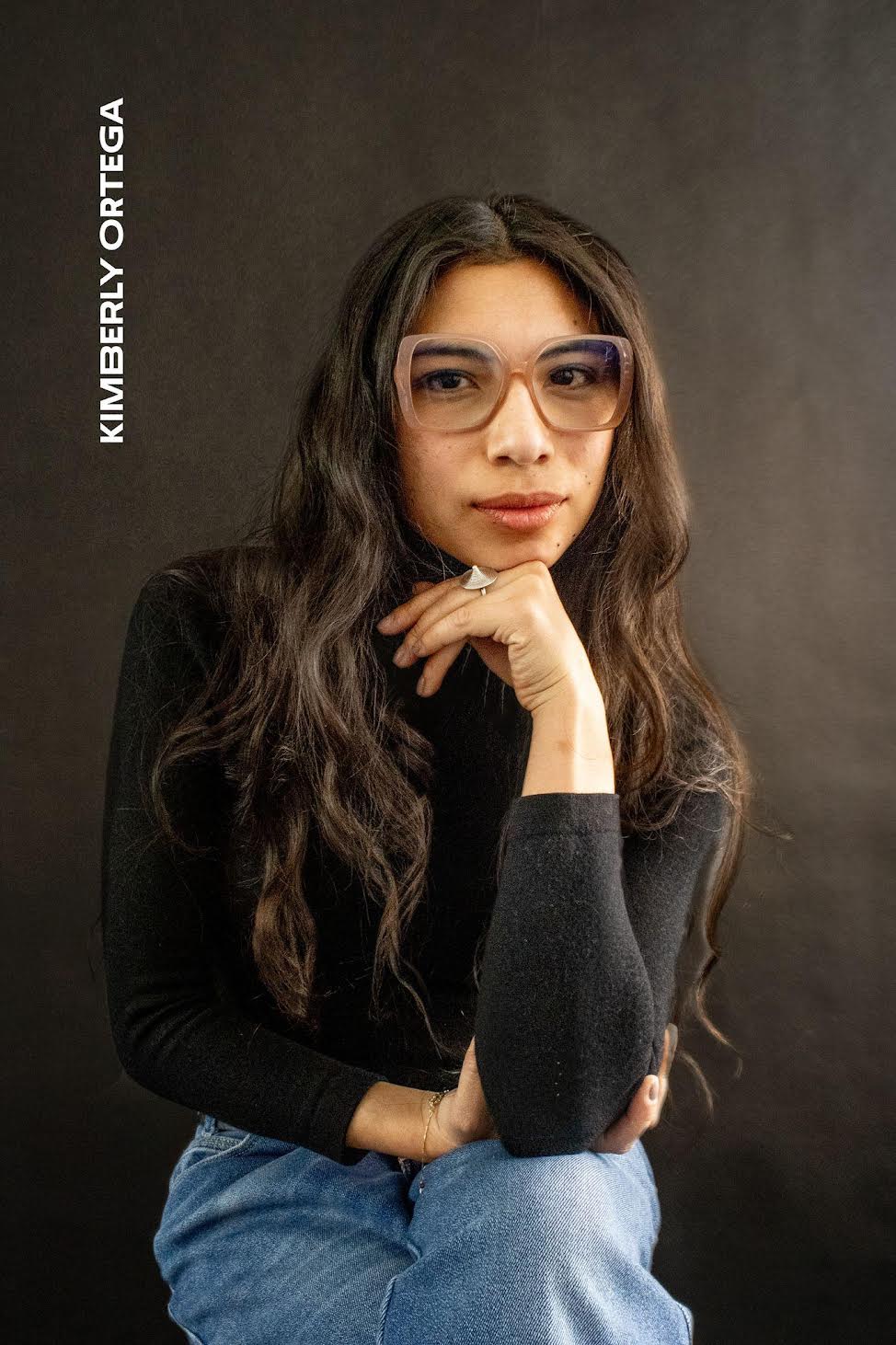
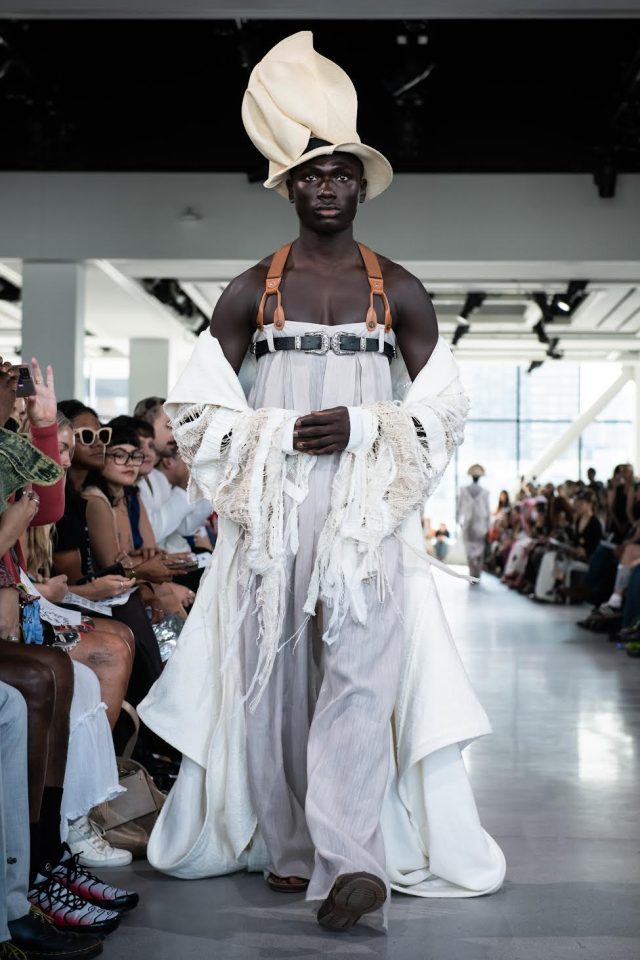
    Kimberly Ortega is redefining fashion with scraps, straw and soul. From Quito to New York, her designs stitch together heritage, sustainability and resilience — all under her brand, SOAK.

    Growing up in Quito, Ecuador, Ortega recalls an afternoon with her father, Martín, at his used auto parts store. “I am basically making money from trash,” he said, explaining how he took what others threw away and turned it into something valuable.

    That moment stayed with her.

    Years later, when she was enrolled at Parsons School of Design in New York, professors admired her use of leftover fabrics, piecing together fragments until they formed a garment. “You’re taking scraps and turning them into real garments,” she recalls them saying.

    0 6

    For Ortega, it was more than a design choice — it was a connection to her roots and to her parents’ philosophy of transformation and resilience.

    Her mother, Irlanda Sánchez, originally a clinical psychologist, switched to industrial psychology and joined Martín in the used auto parts business after Kimberly was born. “They both started working together, and I grew up learning about the value of recycling and turning materials into something meaningful,” Ortega recalls.

    Her path to fashion wasn’t straightforward. She spent her childhood competing in modern dance competitions from age eight. Drawn to science, she initially planned to major in chemical engineering. “I always loved the lab work, the chemistry part,” she says. “But I realized I couldn’t keep up with both dancing and my studies.”

    Her parents encouraged her to follow her heart: “If you’re going to be a dancer, be the best dancer in the world. If you’re going to be a shoemaker, be the best shoemaker in the world.”

    From Ecuador to Parsons: A Journey of Movement and Meaning

    In 2015, she shifted to visual arts at Universidad San Francisco de Quito, where she also minored in fashion design. For her undergraduate thesis, she combined her fascination with chemistry and textiles by experimenting with natural dyes and fabrics.

    After graduating in 2020, Ortega landed her first job at Allpamamas, an Ecuadorian ethical fashion project that collaborates with indigenous artisans in the Andes.

    “It was an amazing experience,” she says. “Even now, I still collaborate with some of the embroiderers I met there. They’re incredible women.”

    But Ortega wanted to build her career abroad. Her sister had been living in the United States for several years, and what began as a short visit to Florida soon became something else. “We were supposed to go on vacation,” Ortega says. “But in my mind, I was already thinking about staying.”

    Just as she was settling into life in the U.S., a sudden health scare forced her to change course.

    0 2
    (Photo credit: Jeremy Herrmann)

    “I cried so much,” Ortega says. “I had to return to Ecuador, carrying all my materials in overweight suitcases — crying the whole way.”“I quit my job and left everything behind,” she explains. “I thought, ‘Okay, I have no job, I can’t go back to the U.S. – yet –but I still have to keep working.’ That’s when I started [my label SOAK.”

    What began as a small project became her creative rebirth. Through SOAK, she explored a new kind of fashion — one that values simplicity, purpose, and honesty in design.

    Each piece is made with intention, favoring quality over excess and small-scale production over mass consumption. Her approach focuses on functionality and comfort, blending minimalism with identity and care for the planet.

    SOAK also reflects her belief that fashion should be inclusive and forward-thinking, celebrating gender diversity and encouraging people to express themselves freely. She works closely with Ecuadorian artisans, combining traditional craftsmanship with modern aesthetics to honor her roots while sharing Ecuador’s heritage with the world.

    During college, Ortega spent two consecutive summers attending dance school at Brooklyn DanceSport Club in New York. “It was amazing to be in that energy, surrounded by people from all over the world,” she recalls. A dance teacher once told her she could stay a year if she studied there, and her mother, Irlanda, encouraged her: “If that’s really what you want, go for it.” That experience inspired her to seek out fashion schools, ultimately leading her to apply to Parsons.

    She even had a card with information about Parsons, which she didn’t see again until 2022 — the year she applied and earned a 60% scholarship to pursue an MFA in Fashion Design and Society. The program emphasized fashion as a cultural, social, and ecological system, encouraging students to define their own design identity, collaborate globally, and prepare to launch or lead a brand.

    At Parsons, Ortega worked as a research assistant for Lucia Cuba, a Peruvian designer and former director at the school. Cuba’s research focused on children’s education and gender in fashion.

    “She was creating more accessible libraries for children and encouraging them to make choices beyond traditional gender norms,” Ortega explains. “It made me think about my collections differently — that fashion could break barriers and be truly genderless.”

    Once in New York, Ortega met her boyfriend, Jeremy Herrmann, through a mutual friend at Parsons. Initially, they didn’t interact directly. When Ortega returned for her second year she moved in with Jeremy, whom she had been dating for about a month, out of economic necessity.

    Despite the suddenness, living together felt natural. “It was super easy,” Herrmann recalls. “It felt right — nothing felt awkward or difficult.” He’s a painter — they understand the demands of creative work and encourage each other’s projects.

    For her MFA thesis, Ortega focused on paja toquilla, the straw used to make the iconic Panama hat. Though commonly associated with Panama, the hat’s true origin is Ecuador. The misnomer dates back to the early 20th century, when Ecuadorian straw hats were shipped to Panama before being exported globally.

    “It was important for me to show the history behind it,” she says. “The paja toquilla represents Ecuador’s working-class roots, and I wanted to bring that to the global fashion stage.”

    Ortega’s thesis presentation at Parsons was a whirlwind of emotion, exhaustion, and teamwork. As the deadline approached, she and her boyfriend, Herrmann, pulled an all-nighter to finish her portfolio and garments.

    “We didn’t sleep,” she recalls. “At 4 a.m., the printer broke, we ran out of paper, and I started crying. I told him, ‘You go to bed, I’ll figure it out.’ But he stayed up with me until the very end.”

    Though Jeremy had no experience with sewing, Ortega taught him how to hand-stitch and weave. “Some of the pieces actually have his handiwork — we were weaving together.” He was so supportive.” Their creative partnership extended beyond fashion: Ortega helped him organize his art portfolio and apply for fellowships and grants. “We’re learning the business side together,” Herrmann said. “We’re building visibility for both SOAK and Jeremy’s studio, trying to grow and reach more people,” Ortega added.

    (Photo Credit: Makenna Lewis)

    The decision to work with paja toquilla came from a personal place. Ortega recalls being told abroad that she didn’t “look Ecuadorian.” That comment made her feel a mix of frustration and anger. From that moment, she decided to show the richness, diversity, and strength of Ecuadorian culture through her designs — reclaiming her identity and sharing it on a global stage.

    To realize her vision, Ortega collaborated with local artisans and brands, including María Sánchez and Sumakmaki, who helped manipulate the straw into sculptural forms. It was meticulous, hands-on work that bridged cultures and highlighted the skill and labor of Ecuadorian craftspeople.

    Now established in New York, Ortega balances her brand with other fashion projects. She measures success not by fame or wealth, but by impact and opportunity. “For me, success is more about tranquility and wisdom than recognition. It’s about making my message heard and representing the beauty of our country.”

    Despite Ecuador’s recent political and social turmoil, Ortega remains deeply connected to her roots.

    “I feel frustration and sadness seeing my friends and family affected,” she admits. “But I also know my work could serve as a form of resistance and support, giving visibility to our culture internationally.”

    From dance floors in Quito to New York Fashion Week, Kimberly Ortega’s journey is a story of resilience, creativity, and transformation. With SOAK, she is not just building a brand — she is crafting a bridge between Ecuadorian heritage and the global fashion world, one scrap of fabric at a time.


    This story is part of a collaboration between Miami’s Community Newspapers and the Lee Caplin School of Journalism & Media at Florida International University.

    Firefighters, teachers, and police officers protect the city of Miami, but cannot afford to live there

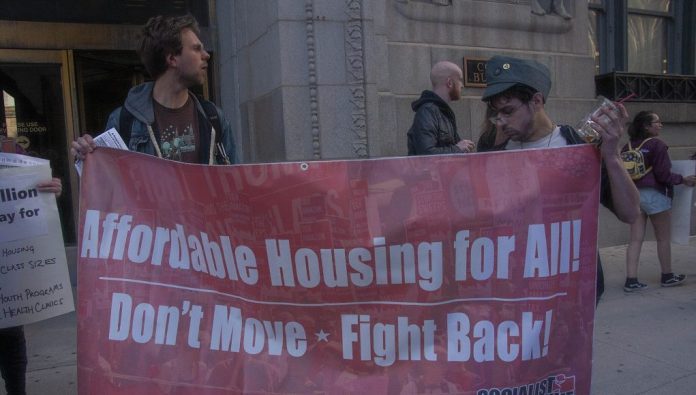
    Michael Henry, born and raised in Miami-Dade County, has received a competitive salary and benefits for his work as a South Broward firefighter for the past two years. However, he must live more than 100 miles away from the place he commutes to every day to save lives.

    “A few years ago, I thought about buying a house in Miami, but I simply couldn’t,” says Henry. “I didn’t want to go further into debt just to say I owned a home.”

    Para leer la versión en inglés de esta historia, haga clic aquí

    The firefighter explains that although his job guarantees him a regular income, “less than 10% of my colleagues live in the city. Most rent or move to more distant areas. It’s frustrating because you work here, but you can’t afford to stay.”

    In Miami-Dade County, the median price of a home increased by more than 80%, from $370,000 to $675,000, between summer 2019 and summer 2025, according to monthly reports from the Miami Association of Realtors.

    Henry and his family ended up moving to Port St. Lucie, nearly two hours away. “We found something more affordable there and a quieter environment for our daughter. The cost of living is more reasonable, even though I now drive a longer distance.”

    According to November and October data from Ziprecruiter, the median annual salaries for firefighters and police officers in Miami-Dade County are around $60,000; while for teachers, they do not reach $50,000 per year.

    “It’s not that we don’t earn well, it’s that the market is out of control,” he comments.

    In an optimal scenario, to buy a $675,000 house, a Miami-Dade teacher, police officer, or firefighter would need to have saved at least $60,000. They could then pay 6.5% upfront and invest the remainder, about $20,000, in closing costs. They would be left with a loan of $634,500, over 30 years with a 6.5% interest rate. That would mean a monthly payment of $4,000.

    A police officer or firefighter, with an annual salary of $60,000 would be investing 80% of their monthly income to cover housing. That would leave them with $1,000 per month for all other expenses. The teacher, with a $50,000 salary, would dedicate almost all their salary, 96%, to paying for the house, with only $167 left per month to cover taxes, social security, and other expenses.

    “I’m tired of moving every year,” confessed an elementary school teacher in Hialeah who requested anonymity. “I don’t have family here, I can’t buy a house, and rents are rising faster than my salary. I’m seriously considering moving to another state.”

    Even “affordable” housing projects designed for these sectors, such as the workforce housing project in Miami Beach, have been criticized for not being truly affordable. A one-bedroom apartment rents for around $2,554 per month, a price still unattainable for most teachers and public employees. For teachers, this cost would mean investing more than 60% of their salary in housing, and for police officers and firefighters, 50%.

    These calculations are based on gross salaries, before mandatory deductions for taxes, social security, and health plans.

    The U.S. Department of Housing and Urban Development (HUD) sets a limit of 30% of gross income for housing expenses. Up to that point is considered the threshold for an affordably priced home. When the cost of living somewhere exceeds 50% of gross income, the resident is considered severely burdened or financially stressed. These are levels of spending that are not sustainable for most families.

    The exodus of essential workers poses long-term challenges. Many public employees must travel long distances to reach their jobs, which affects their quality of life, time with their families, and job stability.

    “Miami gives you a reason to want to get up, go to school, go to work, to do more because Miami offers so much. It is my home, I met my wife here, I had my daughter here. When we decided we had to leave, it hurt a lot,” Henry explains. However, he remains clear about his vocation: “My job is to serve, no matter the economic level of the caller. But I do know that for many colleagues, housing near work has become a luxury.”

    Despite this, he acknowledges, alternatives exist. “There are programs to help buy a house, but there are always restrictions. You can’t just accept the first offer because it is not viable in the long term. That forces us to look for options further away,” he says.

    Experts at UBS in the Global Real Estate Bubble Index 2025 warn that South Florida is facing a structural housing crisis: wages are not growing at the same rate as prices, and the supply of affordable housing remains limited.

    “Miami is my version of America, it means everything to me,” Henry says.

    Meanwhile, frontline workers like Enriquez continue to serve a community they can no longer afford to live in.


    This story is part of a collaboration between Miami’s Community Newspapers and the Lee Caplin School of Journalism & Media at Florida International University.

    Eating Florida Alive: Asian swamp eel’s quiet invasion puts vital ecosystem at risk

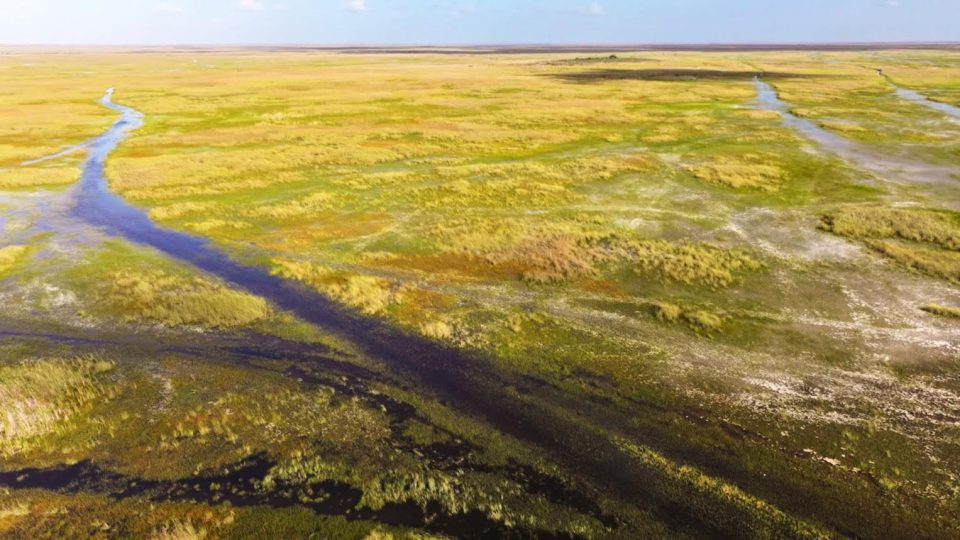
    The Everglades, home to one of the most diverse wetland ecosystems, is a symbol of Florida’s natural resilience. The area spanning 1.5 million acres of slow-moving water across central and southern Florida is the source of drinking water for more than eight million people. The River of Grass supports the state’s multi-billion-dollar tourism industry, but holds a silent invader that is turning that balance upside down.

    The Asian swamp eel is an invasive species native to Southeast Asia that threatens the ecosystem.

    It was first discovered in South Florida in the late 1990s after appearing in the region’s canal systems. By 2009, it reached the Everglades National Park and it’s now one of the most complicated environmental issues in Florida’s history.

    “Unless something can reduce its abundance, or unless the species crashes, or unless we come up with some novel way to control it, we’re looking at a completely new kind of Everglades ecosystem,” said Dr. Nathan Dorn, aquatic ecologist at Florida International University.

    Unlike most aquatic species, the eel can breathe both underwater and on land, and even burrow into mud to survive the dry season. This allows the eel to hunt year-round, even when native predators retreat.

    Screenshot
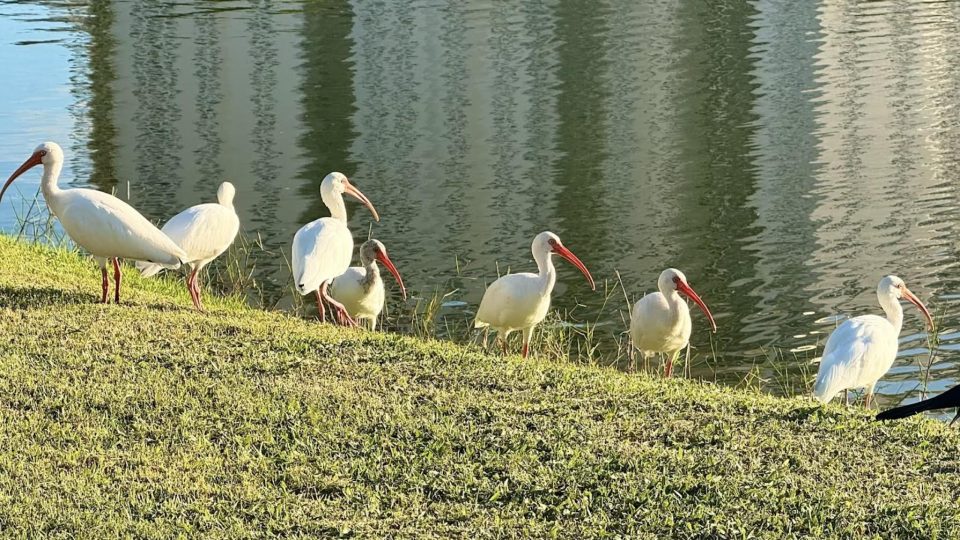
    Wading birds like the ibis and egret rely on small fish and crustaceans now disappearing from Taylor Slough. (Caplin News/ Diego Lauria)

    According to a peer-reviewed journal, researchers at FIU have recorded a 68% decline in fish and crustacean biomass and an 80% reduction in bird prey in Taylor Slough.

    “Our native predators have to move when the water is shallow,” Dr. Dorn said. “The eel does not have to do this. Even if it goes completely dry, it may stay present by burrowing into soft sediments.”

    Those losses spread down the food chain by depriving wading birds like the ibis and egret from restoration efforts used to determine the Everglades’ health. Scientists warn that these ripple effects could permanently alter food webs and water quality across vast areas of the Everglades.

    The significance of the Everglades extends well beyond wildlife. It serves as the natural source of drinking water to nearly all of Miami-Dade county and draws more than 3.5 million visitors each year. The Everglades generates about $540 million in economic revenue, according to the National Park Conservation Association.

    “The Biscayne Aquifer is a surficial aquifer system,” explained Dr. Steve Davis, chief science officer at The Everglades Foundation. “When you see water on the surface, it’s connected down to the bottom of that aquifer. When they pull water out of the ground, it may have been in the Everglades a month prior.”

    That link between wetland and water supply means the fight for the Everglades is also a fight for South Florida’s future.

    “We have a really clean and easy water source, but we have to protect it and sending more water south helps us do that,” Dr. Davis added.

    The Everglades have always required teamwork to survive. In the late 1960s, Marjory Stoneman Douglas, well known as “Mother of the Everglades,” brought national attention to the degradation of the wetlands. When the Army Corps of Engineers was causing significant damage to the Everglades by constructing canals and levees throughout the fragile ecosystem, Douglas added a voting constituency to her efforts. She founded Friends of the Everglades in 1969 to help advocate for the unique system.

    “Marjory noticed changes in the amount of birds and where they were flying and water levels,” said Cara Capp, Sun Coast’s Greater Everglades associate director for the National Parks Conservation Association. “She began to open people’s eyes to the need to protect what we had left of the Everglades.”

    Ernest F. Coe, known as the “Father of the Everglades,” wrote Stephen T. Mather, first director of the National Park Service, a proposal for a national park to be located within the lower Everglades of South Florida. Senator Duncan B. Fletcher introduced legislation to create Everglades National Park in December of 1928.

    When the ecosystem almost collapsed years later, scientists, activists and politicians played a crucial role in the passage of the Comprehensive Everglades Restoration Plan (CERP), which is now one of the largest environmental restoration efforts worldwide.

    CERP passed in 2000 to restore the natural flow of water through the wetlands by undoing decades of drainage. The plan includes 60 major projects with $30 billion in funding spread over several decades. Scientists and advocates often describe it as a race against time and as new challenges like sea-level rise and invasive species continue to test the ecosystem faster than restoration projects can repair it.

    One of its cornerstones, Everglades Agricultural Area (EAA) Reservoir, will store over 78 billion gallons of water and will deliver up to 470 billion gallons of clean water annually south to the Everglades and Florida Bay.

    0 3
    The EAA Reservoir will send 470 billion gallons of clean water south annually, restoring balance to the Everglades. (Caplin News/ Anthony Cruz)

    “Over the years, we’ve come to realize that a healthy Everglades is key to our public health, to our healthy ecosystems, and to our economy here in South Florida,” Capp, said. “When you have realtors saying we need clean water to sell homes, or captains saying we need clean water for our fishing industry, this isn’t a one-party issue. This is all Floridians.”

    The swamp eel, in contrast to the famous Burmese python, mainly impacts the ecosystems’ foundation. The incursion of the swamp eel has already progressed northwards to places like Shark River Slough and may soon endanger Big Cypress.

    “All invasive species are difficult to constrain, but especially aquatic ones,” said Dr. Dorn. “The Everglades is a massive ecosystem.”

    Researchers collect and examine the eels using electrofishing, which temporarily stuns fish with electricity, but eradication may be difficult. The difficulty, according to experts, is not just biological, but also political: sustaining long-term funding and public attention for an invisible crisis.

    Scientists say public engagement will determine Everglades’ future. Efforts like the Everglades Literacy Program and other local conservation events encourage Floridians to see the ecosystem as part of their own backyard. The Everglades Foundation created the Everglades Literacy Program, which encourages students to take care of the environment and offers free curricular materials to teachers around the state. Young Floridians are learning how their decisions directly impact the wetlands around them via practical projects, school visits, and cleaning programs.

    More than 70 years ago, Marjory Stoneman Douglas wrote, “there are no other Everglades in the world” and that reality still motivates people who fight to protect it today.


    This story is part of a collaboration between Miami’s Community Newspapers and the Lee Caplin School of Journalism & Media at Florida International University.

    Celebrate the Holidays at the Moss Cultural Arts Center this December with Festive Performances

    The Dennis C. Moss Cultural Arts Center is heralding the holidays with festive performances to warm hearts of all ages this December. Tickets are available here for The Nutcracker and Seraphic Fire’s ‘Twas the Night Before Christmas.

    The holiday magic kicks into high gear with The Nutcracker on Saturday, December 6, at 7 p.m., and Sunday, December 7, at 3 p.m. Presented by The Moss Center and Miami Youth Ballet, this holiday classic recounts a young girl’s dreamy journey to the Land of Sweets, accompanied by the Sugarplum Fairy and other enchanting characters. Featuring students from Miami Youth Ballet alongside professional dancers, this beautifully staged production pairs captivating storytelling with Tchaikovsky’s majestic score to dazzle children and adults alike. Ticket prices range from $36 to $51 and can be purchased here.

    Following the holiday favorite is ‘Twas the Night Before Christmas on Sunday, December 14, at 4 p.m. Under the direction of Associate Conductor James K. Bass, Grammy-nominated vocal ensemble Seraphic Fire presents a program of cherished carols, including “O Come All Ye Faithful,” “Silent Night,” and “Jesus Christ the Apple Tree.” This performance also features a reading of the 1823 American poem, A Visit from St. Nicholas, more commonly known as ‘Twas the Night Before Christmas. The ensemble performs the entire concert a cappella, setting the stage for an evening of reflection and peace. Tickets are available for $30 to $65 and can be purchased here.

    With 2026 upon us, the Moss Center’s event brochure for January through May is available for viewing here. For those interested in multiple events, custom subscriber packages are available for 15% off tickets when purchasing four or more shows, and 20% off tickets when purchasing six or more shows. In addition, patrons with subscriber packages get access to discounted “Bring A Friend” tickets, as well as 10% off the price of cabaret shows.

    To purchase your tickets for these holiday engagements – as well as other exciting upcoming performances – visit MossCenter.org, stop by the Moss Center Box Office in person, or call (786) 573-5300.

    These projects are supported in part by the National Endowment for the Arts. To find out more about how National Endowment for the Arts grants impact individuals and communities, visit www.arts.gov.

    About The Dennis C. Moss Cultural Arts Center

    The Dennis C. Moss Cultural Arts Center, informally known as “The Moss Center,” is managed by the Miami-Dade County Department of Cultural Affairs, with funding support from the Office of the Miami-Dade County Mayor and Board of County Commissioners. The Center is dedicated to presenting and supporting arts and culture and providing access to the arts to Miami-Dade County. More information about the Center and its programs can be found at www.MossCenter.org.

     About Miami-Dade County Department of Cultural Affairs

    The Miami-Dade County Department of Cultural Affairs and the Cultural Affairs Council develop cultural excellence, diversity, access and participation throughout Miami-Dade County by strategically creating and promoting equitable opportunities for artists and cultural organizations, and our residents and visitors who are their audiences. The Department receives funding through the Miami-Dade County Mayor and Board of County Commissioners, The Children’s Trust, the National Endowment for the Arts, the State of Florida through the Florida Department of State, Florida Division of Arts and Culture and the Florida Council on Arts and Culture, the John S. and James L. Knight Foundation, the Peacock Foundation, Inc., The Jorge M. Pérez Family Foundation at The Miami Foundation, and The Taft Foundation. Other support and services are provided by TicketWeb for the Culture Shock Miami program, the Greater Miami Convention and Visitors Bureau, the South Florida Cultural Consortium and the Tourist Development Council. For more information visit www.miamidadearts.org.

    It is the policy of Miami-Dade County to comply with all the requirements of the Americans with Disabilities Act. The facility is accessible and assistive listening devices are available in the Main Stage Auditorium and the Black Box Theater space. To request materials in accessible format, and/or any accommodation to attend an event at the Dennis C. Moss Cultural Arts Center, please contact Stephanie Aponte, 786-573-5314, saponte@miamidade.gov, at least five days in advance to initiate your request. TTY users may also call 711 (Florida Relay Service).

    El Mito de la Emprendedora Perfecta | Carolina Melo & Sandra Valencia – Smart Network Solutions

    In this inspiring episode of Miami Community Newspapers, host Carolina Melo interviews Sandra Valencia, CCO y Cofundadora de Smart Network Solutions, about “El Mito de la Emprendedora Perfecta.”

    Sandra shares her journey as a Colombian woman building a successful career in the U.S. technology industry—a male-dominated field—highlighting the challenges she faced, the resilience required, and the mindset that allowed her to succeed. She discusses female entrepreneurship, leadership in tech, and her strategies for breaking barriers while thriving as a business leader.

    This episode offers valuable insights for aspiring women entrepreneurs, tech professionals, and anyone interested in leadership, innovation, and overcoming obstacles in business.


    Guest Information

    🔹 Sandra Valencia – CCO & Co-Founder, Smart Network Solutions
    Website: smartnetworksolutions.us
    Instagram: @smartnetworksolutions


    About Miami Community Newspapers

    Miami Community Newspapers delivers local news, business insights, and community stories across South Florida. Our mission is to inform, engage, and amplify the voices of our neighborhoods, fostering connection and growth.

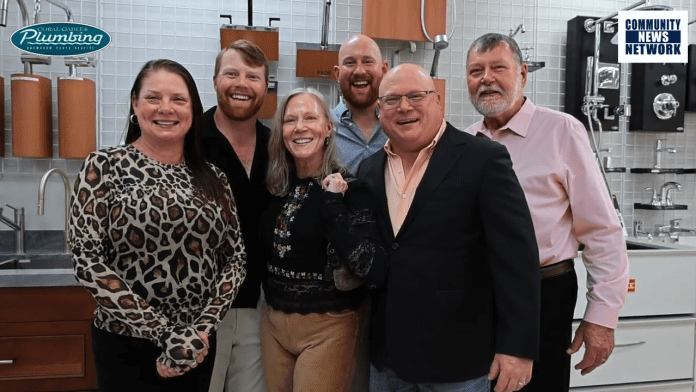
    Chamber South Highlights Coral Gables Plumbing in Keeping the City Flowing​ for 100 Years!


    Chamber South Highlights Coral Gables Plumbing in Keeping the City Flowing​ for 100 Years!

    ABOUT US:

    Miami Community Newspapers is your go-to source for Miami community news, offering daily updates, podcasts, and multimedia content. Covering local events, business updates, and lifestyle features across Miami-Dade County, our family-owned media company publishes a variety of neighborhood publications both online and in print. Explore Miami’s culture through our exclusive community podcasts, magazines, and newsletters.

    #ChamberSouth #CoralGables100 #CoralGablesCentennial #CityBeautiful100 #CoralGablesPlumbing #LocalLegends #CommunityChampions #SmallBusinessSpotlight #MiamiBusiness #Celebrating100Years #CentennialCelebration #CoralGablesProud

    Celebrate the Season at the Greater Miami Chamber’s December Trustee Luncheon — Where Leaders Wrap the Year in Style


    Celebrate the Season at the Greater Miami Chamber’s December Trustee Luncheon — Where Leaders Wrap the Year in Style

    ABOUT US:

    Miami Community Newspapers is your go-to source for Miami community news, offering daily updates, podcasts, and multimedia content. Covering local events, business updates, and lifestyle features across Miami-Dade County, our family-owned media company publishes a variety of neighborhood publications both online and in print. Explore Miami’s culture through our exclusive community podcasts, magazines, and newsletters.

    #MiamiBusiness #MiamiChamber #TrusteeLuncheon #BusinessLeaders #MiamiEvents #YearEndGathering#CelebrateTheSeason #Miami2025 #LeadersLunch #MiamiNetworking

    Grant Miller here with Construction Ready — prepping the future of the construction field and building tomorrow’s workforce today


    Grant Miller here with Construction Ready — prepping the future of the construction field and building tomorrow’s workforce today

    ABOUT US:

    Miami Community Newspapers is your go-to source for Miami community news, offering daily updates, podcasts, and multimedia content. Covering local events, business updates, and lifestyle features across Miami-Dade County, our family-owned media company publishes a variety of neighborhood publications both online and in print. Explore Miami’s culture through our exclusive community podcasts, magazines, and newsletters.

    #ConstructionReady #FutureBuilders #ConstructionCareers #SkilledTrades #BuildTheFuture #WorkforceDevelopment #ConstructionTraining #NextGenBuilders #TradeSkills #BuildYourCareer

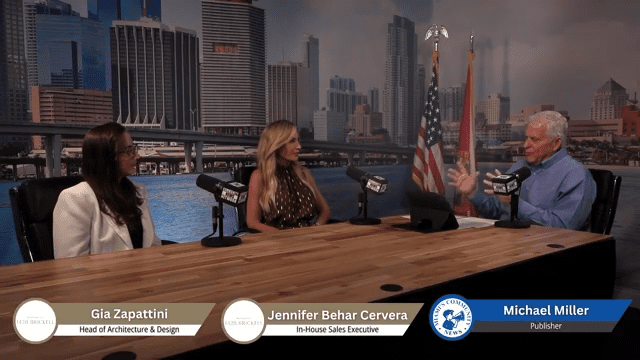
    Michael Miller Interviews Gia Zapattini & Jennifer Behar Carvera on the 1428 Brickell Luxury Condo Project

    In this featured Miami Community Newspapers interview, host Michael Miller speaks with Gia Zapattini, Head of Architecture & Design, and Jennifer Behar Carvera, In-House Sales Executive, about the vision and development of the new 1428 Brickell luxury condo project.

    The conversation highlights the architectural design process, the inspiration behind the building’s unique features, luxury real estate trends in Miami, and the team’s personal journey creating one of Brickell’s most anticipated residential towers.

    Learn what sets 1428 Brickell apart, how the project is shaping Miami’s skyline, and the design elements that elevate modern urban living.


    About Miami Community Newspapers

    Miami Community Newspapers is a trusted source for hyper-local news, business insights, community stories, and conversations that spotlight South Florida’s growth and innovation.

    2026 Yukon Denali Ultimate shows how far luxury SUVs have come

    As a Miami newspaper publisher, I’ve watched this city grow from a sun-splashed getaway to a global hub of culture, business, and design. And as a lifelong car fan, I’ve watched something else evolve right alongside it: the American SUV. Nowhere is that progress clearer than in the 2026 GMC Yukon 4WD Denali Ultimate – a vehicle that doesn’t just push the segment forward, it pulls the whole conversation of automotive luxury into a new era.

    This is not your neighbor’s big-box SUV from years past. The Denali Ultimate is GMC’s top expression of craftsmanship and capability, and for 2026 it arrives with the refinements and intuitive tech Miami drivers crave. Out on the Dolphin Expressway, the Yukon’s standard 4WD makes quick work of Florida’s surprise rainstorms, and the available Air Ride Adaptive Suspension turns those patched-up causeways into smooth sailing. Miami may be flat, but our roads aren’t always friendly and this SUV responds the way you would want.

    What impresses me most is that GMC finally found the harmony between brawn and brains. Under the hood sits the refined 6.2-liter V8, which is strong but surprisingly composed, or the available 3.0-liter Duramax diesel, which continues to earn its reputation for quiet strength. Both are paired with a 10-speed automatic transmission that feels more polished this year, delivering power without hunting for gears. It’s one of the rare large SUVs that can tow your boat to Dinner Key Marina while still feeling elegant enough to valet outside the Four Seasons.

    Inside, the $80,500 Denali Ultimate feels like it was designed by people who understand long days, tight schedules and the desire for a little calm in a chaotic world. The Alpine Umber interior surrounds you with soft-touch leather and other premium accents. It’s the kind of cabin where you could hold a board meeting, a family debate, or a moment of quiet reflection with the A/C set to a perfect 72. Miami heat disappears the moment you close the door.

    And then there’s the technology – finally an example of innovation that feels purposeful instead of overwhelming. The 2026 Yukon adds a massive, 16.8-inch curved infotainment display with seamless Google integration, improved driver-assistance systems, and the continued availability of GM’s hands-free driving technology on compatible roads. For those of us who spend half our lives on I-95, safe autonomy isn’t just impressive, it’s a blessing.

    But here’s the detail that sticks with me: the Denali Ultimate isn’t trying to be something it’s not. It embraces its size, its purpose, its audience. Miami families love space. Miami business owners love presence. Miami drivers love to enjoy the ride. This SUV was built for all three.

    In an age when the automotive world is reinventing itself, it’s refreshing to see a flagship SUV that innovates without abandoning the traits that made it beloved in the first place. The 2026 Yukon 4WD Denali Ultimate is proof that progress doesn’t always mean starting over. Sometimes it means perfecting what already works.

    Give the 2026 Yukon 4WD Denali Ultimate a spin and tell me what you think.

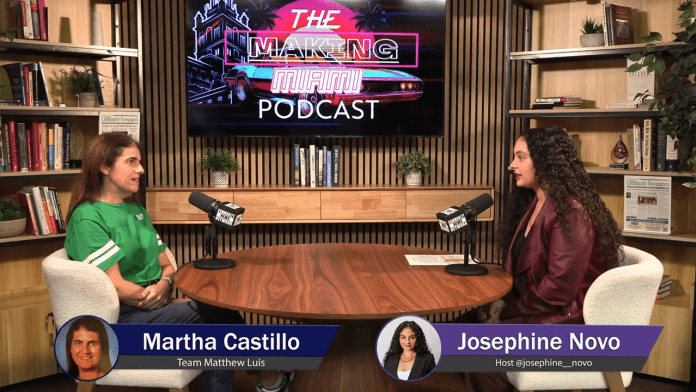
    Making Miami Podcast | Josephine Novo x Martha Castillo: Advocacy, Resilience & Team Matthew Luis

    In this inspiring episode, Josephine Novo sits down with Martha Castillo, a devoted mother and the founder of Team Matthew Luis, a nonprofit created in honor of her son, Matthew Luis, who is diagnosed with Phelan-McDermid Syndrome (PMS).

    Martha shares her emotional and powerful journey — from navigating Matthew’s diagnosis to becoming an advocate, educator, and community-builder for families facing rare genetic disorders. Her story is one of resilience, love, and unwavering determination to bring resources, awareness, and hope to others.

    Plus:
    💙 A look into the mission and impact of Team Matthew Luis
    🧠 Insight into life with Phelan-McDermid Syndrome and how the syndrome affects families
    🤝 How Martha is building community support, resources, and awareness for rare diseases

    For more show information, go to: www.communitynewspapers.com/cnewstv

    ABOUT US:

    For more Miami community news, look no further than Miami Community Newspapers. This Miami online group of newspapers covers a variety of topics about the local community and beyond. Miami’s Community Newspapers offers daily news, online resources, podcasts and other multimedia content to keep readers informed. With topics ranging from local news to community events, Miami’s Community Newspapers is the ideal source for staying up to date with the latest news and happenings in the area. 

    This family-owned media company publishes more than a dozen neighborhood publications, magazines, special sections on their websites, newsletters, as well as distributing them in print throughout Miami Dade County from Aventura, Sunny Isles Beach, Miami Beach, Coral Gables, Brickell, Coconut Grove, Pinecrest, South Miami, Kendall, Palmetto Bay, Cutler Bay and Homestead. Each online publication and print editions provide comprehensive coverage of local news, events, business updates, lifestyle features, and local initiatives within its respective community.

    Additionally, the newspaper has exclusive Miami community podcasts, providing listeners with an in-depth look into Miami’s culture. Whether you’re looking for local Miami news, or podcasts, Miami’s Community Newspapers has you covered. For more information, be sure to check out: https://communitynewspapers.com.

    If you have any questions, feel free to email Michael@communitynewspapers.com or Grant@communitynewspapers.com

    #thatscommunitynews #communitynewspapers #miamidade #miamidadecounty #thatscommunity #miamicommunitynews #coralgables #palmettobay #southmiami #doral #aventura #pinecrest #kendall #broward #biscaynebay

    - Advertisement -